How the CNSC Regulates Mines: A Look at Uranium in Canada
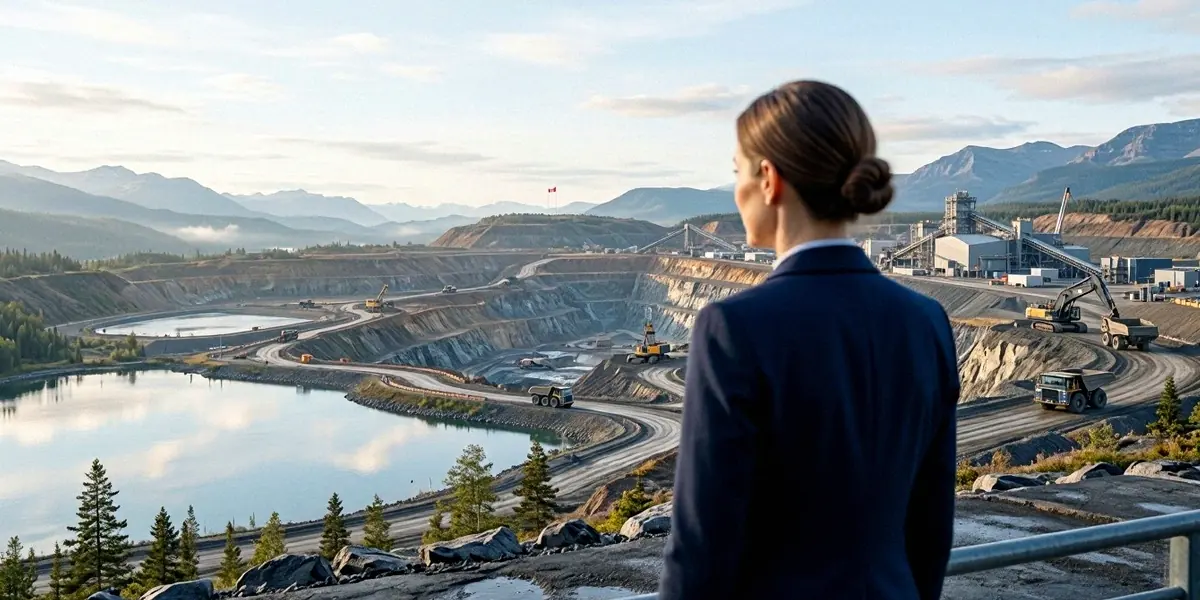
The Canadian Nuclear Safety Commission (CNSC) is the federal regulator for every nuclear activity in this country — and that includes uranium mining. Not just reactors, not just medical isotopes, but the actual digging, milling, and long-term management of radioactive ore. Why does that matter for Saskatchewan and northern communities? Because the Athabasca Basin produces some of the highest-grade uranium on Earth, and the rules governing how it’s extracted are written and enforced by a single federal body. We wanted to break down how that system actually works, from the legislation behind it to what happens when a company falls out of compliance.
The CNSC’s Mandate and Legal Framework

The CNSC was created in 2000 under the Nuclear Safety and Control Act (NSCA), replacing the older Atomic Energy Control Board. That change wasn’t just a rebrand — it gave the regulator a broader mandate to oversee all nuclear substances and facilities in Canada, including uranium mines and mills operating in northern Saskatchewan. If you’re a company like Cameco or Orano Canada, your licence to operate comes from the CNSC, full stop.
What the Nuclear Safety and Control Act Covers
The NSCA sets out the CNSC’s authority over licensing, compliance, and enforcement. It covers the entire lifecycle of a nuclear facility — siting, construction, operation, decommissioning, and even the long-term management of waste. For uranium mines specifically, this means the CNSC regulates everything from how ore is extracted to how tailings are contained. The Act also gives the Commission the power to impose conditions on licences, order corrective actions, and in serious cases, suspend or revoke a licence outright.
How the CNSC Fits with Provincial and Federal Roles
Uranium mining in Canada is subject to overlapping jurisdictions. The CNSC handles nuclear safety and licensing at the federal level, while provincial bodies like the Saskatchewan Ministry of Environment manage environmental approvals under provincial law. Other federal departments — Fisheries and Oceans, Environment and Climate Change Canada, Crown-Indigenous Relations — also have roles depending on the project. The CNSC coordinates with these bodies, but it remains the sole authority for nuclear licensing decisions. That can create complexity for operators, but it also means there’s no gap where a mine could slip through without nuclear-specific oversight.
Licensing a Uranium Mine: Step by Step
Getting a uranium mine licensed in Canada is not a single event — it’s a sequence of separate licences, each tied to a specific phase of the project. A company can’t just apply once and operate for decades. Each stage requires its own approval, and each one comes with its own set of conditions.
Types of Licences for Mining and Milling
The CNSC issues several classes of licences relevant to uranium mining:
- Site preparation licence: Allows clearing, excavation, and early construction work before full operation.
- Construction licence: Covers building the mine and mill infrastructure.
- Operating licence: Permits actual mining, milling, and production of uranium concentrate. This is the licence most people think of when they talk about a “uranium mine licence.”
- Decommissioning licence: Governs the safe shutdown and remediation of the site.
- Waste facility licence: Covers long-term management of tailings and other radioactive waste.
Companies like Cameco and Orano Canada hold operating licences for their facilities in the Athabasca Basin, and those licences come up for renewal on a set schedule — typically every five to ten years, depending on the site.
The Role of Environmental Assessments
Before the CNSC can issue a licence for a new uranium mine or a major expansion, the project usually triggers a federal environmental assessment. In Saskatchewan, this often runs alongside a provincial environmental assessment under the province’s Environmental Assessment Act. The CNSC uses the assessment to understand potential impacts on air, water, land, and communities — and to decide whether the project can proceed and under what conditions. For projects in the Athabasca Basin, the assessment process also includes consultation with Indigenous communities whose traditional territories overlap with the mine site.
Oversight in Action: Inspections, Audits, and Enforcement
A licence isn’t a rubber stamp. The CNSC actively monitors uranium mines through inspections, audits, and compliance reviews. Some inspections are scheduled in advance; others are unannounced. The point is to verify that operators are actually doing what their licence requires — not just saying they are.
How Often Mines Are Inspected
Inspection frequency depends on the risk profile of the facility and its compliance history. High-risk operations — like uranium mills handling large volumes of radioactive material — typically see more frequent inspections. The CNSC publishes inspection reports on its website, so anyone can look up when a mine was last inspected and what the findings were. That level of transparency is unusual for a federal regulator, and we think it’s worth acknowledging.
What Happens When Something Goes Wrong
When the CNSC finds a compliance issue, it has a range of tools at its disposal. These can include:
- Issuing a notice of non-compliance and requiring corrective action within a set timeframe.
- Imposing additional licence conditions to tighten oversight.
- Issuing administrative monetary penalties for certain violations.
- Suspending or revoking a licence in serious cases.
The CNSC publishes enforcement actions on its website, including details of violations and penalties. For northern communities near uranium operations, that public record is one of the few ways to track whether a company is actually being held accountable.
Engaging Northern Communities and Indigenous Peoples
Uranium mining in the Athabasca Basin happens on or near traditional territories of several Indigenous nations, including the Dene, Cree, and Métis. The CNSC is required to consult with these communities as part of its licensing process — and in our view, that consultation is one of the most important parts of the entire regulatory framework.
Consultation Requirements Under the NSCA
The NSCA and the CNSC’s own policies require the Commission to consider Indigenous knowledge and the potential impacts of a project on Indigenous rights and interests. The CNSC’s Indigenous Engagement Strategy outlines how the regulator works with communities — not just at the licensing stage, but throughout the life of a mine. That includes funding for community participation in hearings, translating documents into Indigenous languages where needed, and holding meetings in northern communities rather than only in Ottawa or Saskatoon.
Community Liaison Committees in Saskatchewan
Several uranium operations in northern Saskatchewan have community liaison committees that bring together company representatives, local leaders, and CNSC staff. These committees meet regularly to discuss environmental monitoring, employment, and any concerns that come up. They’re not decision-making bodies, but they do create a structured channel for ongoing communication. For communities that have lived with uranium mining for decades, these committees are often more useful than the formal hearing process, which can feel remote and legalistic.
Transparency and Public Participation
One of the CNSC’s better features is that its licensing decisions are made in public. Hearings are open to anyone, and the Commission publishes its reasons for decisions. That doesn’t mean the process is perfect — more on that below — but it does mean there’s a record.
How to Participate in a CNSC Hearing
If you want to weigh in on a uranium mine licence renewal, you can request to intervene in a CNSC hearing. Interveners can submit written submissions, appear in person, or both. The CNSC provides funding to help individuals and community groups participate, though the application process can be onerous. Hearings for major uranium mine licence renewals — like those for Cameco’s Cigar Lake or Orano Canada’s McClean Lake — typically draw interventions from Indigenous communities, environmental groups, and local residents.
Accessing CNSC Records and Reports
The CNSC maintains a public registry of regulatory documents, inspection reports, and licensing decisions. You can search by facility name or licence number. For anyone following uranium mining in Saskatchewan, this is the primary source for what’s actually happening on the ground — not press releases, not company reports, but the regulator’s own findings.
Challenges and Criticisms of the CNSC Model
We think the CNSC’s framework is fundamentally sound, but it’s not without problems. And it’s worth being honest about where the cracks show.
Resource Constraints and Timelines
The CNSC is not a large agency relative to the scope of what it regulates. It oversees reactors, mines, mills, waste facilities, and medical isotope production across the country. Critics — including some interveners in past hearings — have argued that the CNSC lacks the staff and budget to conduct thorough oversight, particularly at remote mine sites in northern Saskatchewan. Licensing timelines can stretch for years, which frustrates both industry and communities who want decisions made. We don’t think the answer is to rush approvals, but we do think the regulator needs adequate resources to do the job properly.
Balancing Economic and Environmental Priorities
Uranium mining brings significant economic benefits to northern Saskatchewan — jobs, training, business opportunities for Indigenous-owned companies. It also brings risks: tailings management, water contamination, radiation exposure. The CNSC’s job is to hold the line on safety while not making it impossible for responsible projects to proceed. In our view, the Commission generally gets that balance right, but the pressure to approve projects quickly — especially when uranium prices are high — is real. Communities and watchdog groups need to stay engaged to make sure that pressure doesn’t erode oversight.
FAQ
Who regulates uranium mining in Canada?
The Canadian Nuclear Safety Commission (CNSC) is the federal regulator for all nuclear activities, including uranium mining and milling. It operates under the Nuclear Safety and Control Act (NSCA) and issues licences for every phase of a mine’s lifecycle.
Does the CNSC regulate mines in the Athabasca Basin?
Yes. The CNSC regulates all uranium mines and mills in the Athabasca Basin, including those operated by Cameco and Orano Canada. Each facility holds a CNSC licence that must be renewed periodically.
How can northern communities participate in CNSC decisions?
Communities can participate through public hearings, community liaison committees, and the CNSC’s Indigenous Engagement Strategy. The CNSC also provides funding to help Indigenous groups and individuals take part in licensing hearings.
What happens if a uranium mine violates its licence?
The CNSC can issue notices of non-compliance, impose additional licence conditions, levy administrative monetary penalties, or in serious cases suspend or revoke the licence. Enforcement actions are published on the CNSC website.
Are CNSC inspection reports public?
Yes. The CNSC publishes inspection reports, licensing decisions, and enforcement actions on its public registry. Anyone can search by facility name or licence number.
The CNSC’s regulatory framework for uranium mining in Canada is robust on paper — and in practice, it’s more transparent than most federal regulators. But robust rules only matter if they’re enforced, and enforcement depends on resources, political will, and ongoing pressure from the communities most affected. For northern Saskatchewan, that means staying engaged with every licence renewal, every inspection report, and every hearing. Vigilance isn’t optional when you’re living next to a uranium mine.


Post Comment