Small Modular Reactors in Canada: Hype, Hope, and Hard Questions
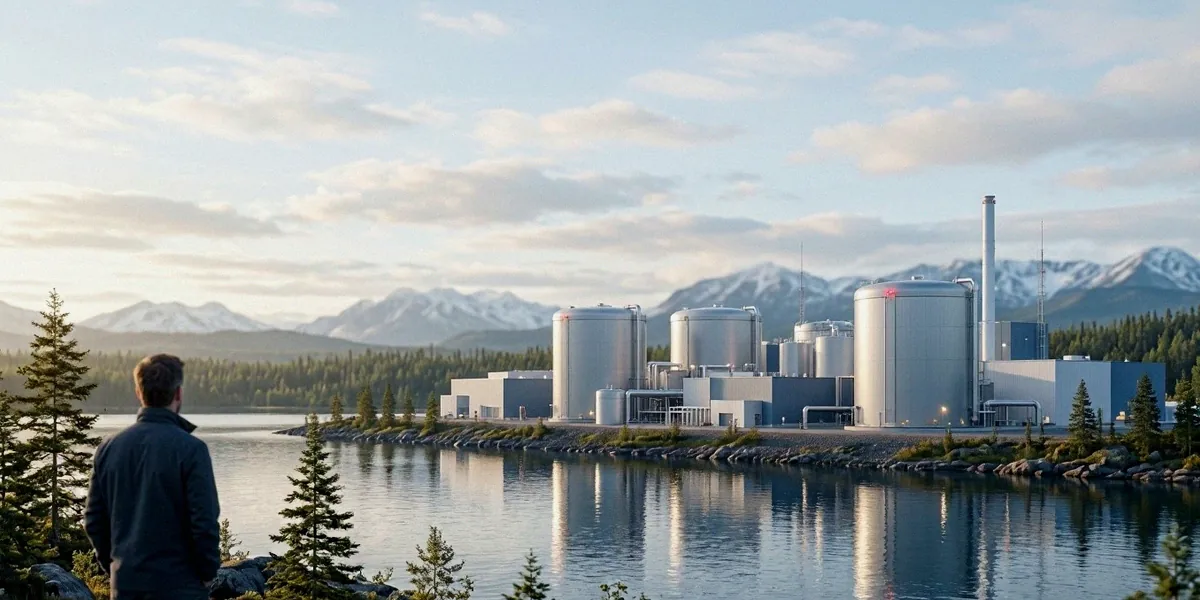
Ontario Power Generation is already pouring concrete at Darlington, where it plans to build the first grid-scale Small Modular Reactor in the G7. That single project has turned a long-running academic debate into a real construction site, and it has forced everyone from SaskPower to northern First Nations to take a position. We think SMRs are the most consequential thing to happen to Canadian nuclear policy in decades — and we also think the hype has outrun the evidence. This piece walks through what SMRs actually are, where the leading projects stand, how they connect to uranium mining in Saskatchewan, and what still has to be proven before anyone calls them a climate solution rather than an expensive distraction.
What Are Small Modular Reactors, and Why Canada Cares
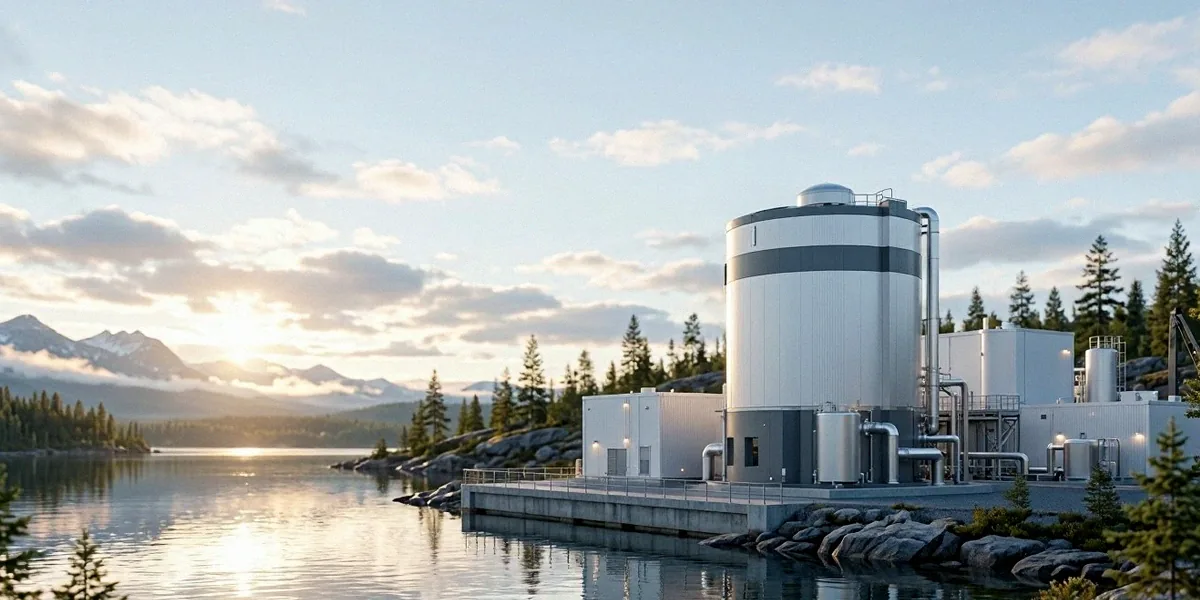
Small Modular Reactors are nuclear reactors typically rated under 300 megawatts of electrical output, compared with the roughly 800–900 MW units at a plant like Bruce or Darlington. The “modular” part matters as much as the “small” part: instead of building one enormous reactor on site over a decade, the idea is to fabricate standardized components in a factory and assemble them on site, then add more units as demand grows. Proponents argue this cuts construction risk and cost. Critics point out that no one has yet demonstrated those savings at commercial scale.
Canada is not a bystander in this race. The Canadian Nuclear Safety Commission regulates every design that wants to be built here, and the federal SMR Roadmap, published in 2018, laid out a pan-Canadian strategy that has since been reinforced by provincial agreements between Ontario, Saskatchewan, New Brunswick, and Alberta. That coordination is unusual in Canadian energy policy and is one reason the country is often cited as a global test case.
How SMRs Differ from Traditional CANDU Reactors
CANDU reactors are large pressurized heavy-water designs, fuelled by natural uranium, and they became Canada’s nuclear signature. SMRs come in a much wider variety: light-water designs like the BWRX-300, advanced molten-salt concepts, and microreactors small enough to fit on a truck. Many SMR concepts use enriched uranium rather than natural uranium, and some use different coolants entirely. For the uranium sector, that distinction matters because it changes the type and volume of fuel required.
The Federal SMR Action Plan and Provincial Interest
The federal SMR Action Plan, released in 2020, pulled together regulators, utilities, Indigenous organizations, and vendors around a shared set of milestones. Ontario, Saskatchewan, Alberta, and New Brunswick have all signed on in some form. The practical result is a patchwork of provincial ambitions stitched together by federal coordination — not a single national program, but closer than anything Canada has had before.
The Leading SMR Projects Across Canada
Not every announced project will get built, and we think it’s worth separating the ones with shovels in the ground from the ones that exist mainly on PowerPoint slides.
Ontario: Darlington and the BWRX-300
The Darlington BWRX-300 project is the furthest along. Ontario Power Generation selected GE Hitachi’s 300 MW boiling water reactor design and has begun site preparation at Darlington, targeting completion in the late 2020s. It’s the flagship for the entire Canadian SMR conversation, and if it slips on cost or schedule, the whole sector will feel it.
Saskatchewan and the Athabasca Basin Connection
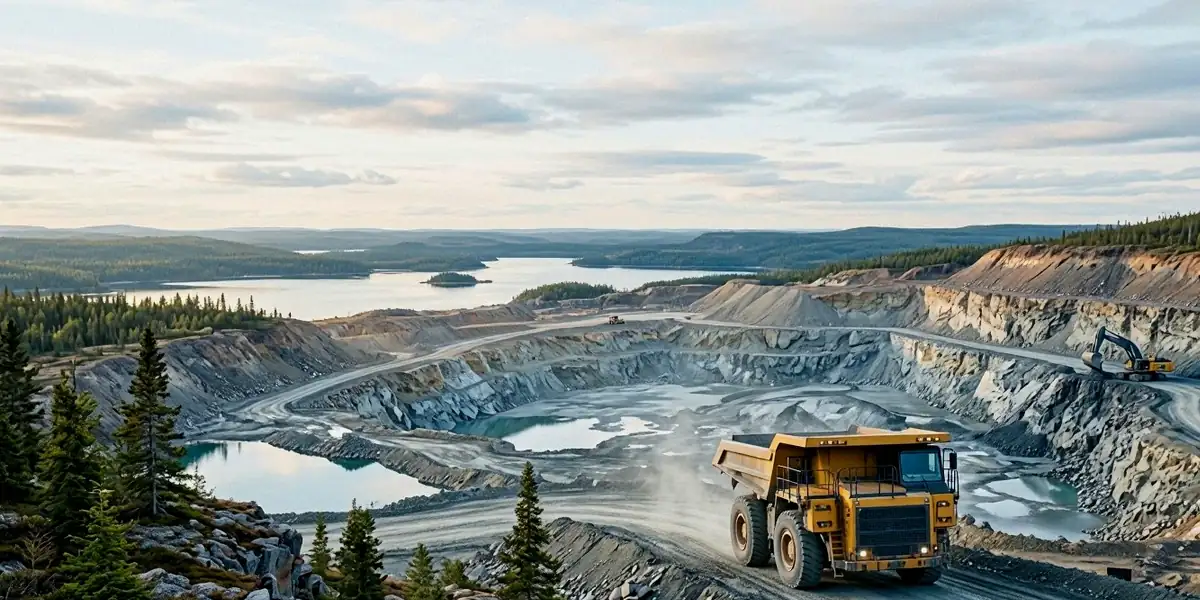
SaskPower has been evaluating GE Hitachi’s BWRX-300 and Terrestrial Energy’s IMSR, among others, with an eye on replacing coal-fired generation. Saskatchewan is also home to the Athabasca Basin, the world’s highest-grade uranium deposits, which gives the province a unique stake: if SMRs scale, Saskatchewan mines could supply the fuel.
Alberta and Industrial Decarbonization
Alberta’s interest is different — it’s less about the grid and more about industrial heat. Oil sands operators need enormous amounts of steam and process heat, and SMRs are one of the few low-carbon options that could plausibly deliver it at scale. Chalk River and Canadian Nuclear Laboratories host several demonstration and research reactors that support these efforts, and CNL’s site has become a hub for testing new designs.
Uranium Mining, Saskatchewan, and the SMR Supply Chain
This is where the nuclear conversation becomes a mining conversation. SMRs, if deployed widely, would need fuel — and Canada already produces some of the best uranium in the world.
Will SMRs Increase Uranium Demand?
The honest answer is: eventually, maybe, and not as much as the most enthusiastic projections suggest. Most near-term SMR designs use low-enriched uranium, which requires conversion and enrichment capacity Canada currently lacks at scale. Still, every additional reactor adds baseline demand, and the high-grade ore from the Athabasca Basin — mined by companies like Cameco and Orano at Cigar Lake and McArthur River — is among the most economic in the world. If SMRs succeed, those operations stand to benefit.
The Role of Northern Communities in Mining and Energy
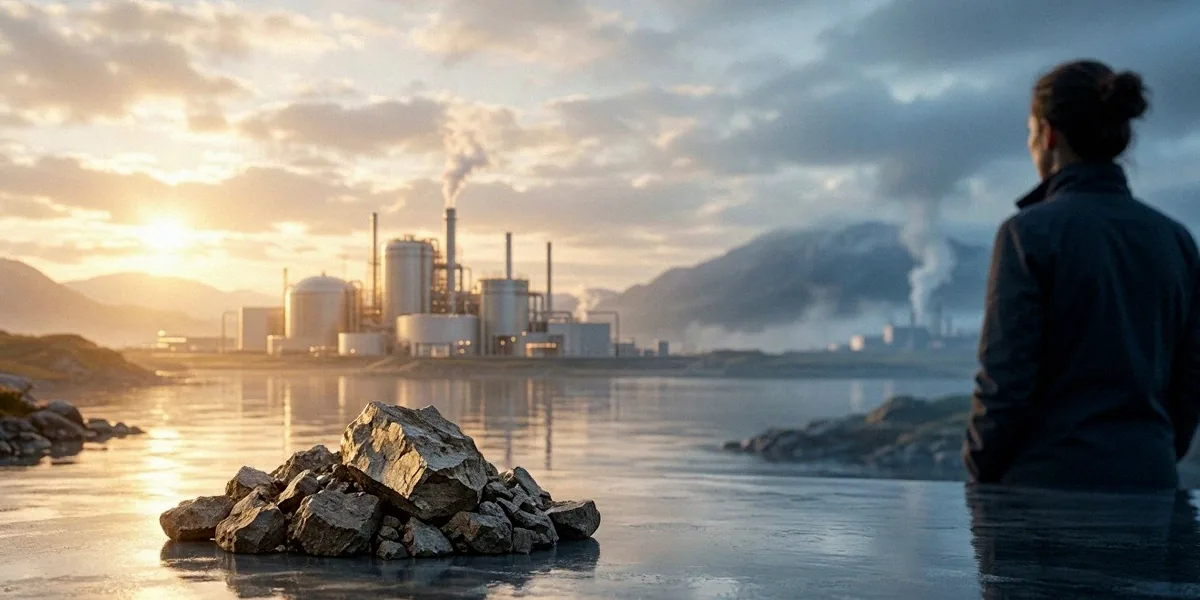
Northern Saskatchewan communities are not spectators in this. Many residents work at the mines, and several First Nations and Métis communities have impact benefit agreements with Cameco and Orano. The same communities are now being asked to consider hosting or supplying SMR projects, which raises a familiar question: will this be a partnership or another extraction arrangement?
Northern Communities: Opportunity or Another Extractive Burden?
We don’t think this question has a clean answer. There are real opportunities — stable jobs, revenue, and potentially energy sovereignty — and real risks, including cumulative environmental impacts and decisions made in boardrooms thousands of kilometres away.
Indigenous-Led Energy Projects and SMRs
The First Nations Power Authority in Saskatchewan has been developing Indigenous-owned power projects for years, and it has engaged seriously with the SMR conversation. Some northern communities, including those near the Athabasca Basin, have expressed cautious interest; others have raised concerns about waste, consultation timelines, and whether benefit agreements will look different from the ones signed in the past. We think the sector’s credibility depends on how those conversations go.
Grid Reliability in Remote Northern Canada
Many northern communities rely on diesel generation — expensive, emissions-heavy, and vulnerable to supply disruptions. Microreactors and small SMRs are pitched as a solution, but remote deployment raises hard questions about maintenance, staffing, and emergency response. The upside is real; so is the complexity.
Costs, Timelines, and the Nuclear Waste Question
If there’s a weak point in the SMR story, this is it.
Are SMRs Economically Viable?
SMRs are supposed to be cheaper than large reactors because of factory fabrication and shorter build times. So far, that’s a claim rather than a track record. NuScale’s cancelled U.S. project in 2023 showed how quickly cost estimates can unravel. The Darlington BWRX-300 will be the first real data point in North America, and we’ll be watching whether OPG can hold its budget.
What Happens to the Waste?
Canada still has no operating permanent repository for used nuclear fuel. The Nuclear Waste Management Organization (NWMO) has been running a site selection process for a deep geological repository, with Ontario sites around Ignace and the Bruce region as finalists, but a host community agreement is not the same as a built facility. Some SMR designs produce different waste streams than CANDU, and regulators will need to address how that fuel is managed before deployment scales.
- High upfront capital costs and uncertain construction timelines
- No operating deep geological repository in Canada yet
- Limited domestic enrichment and fuel fabrication capacity
- Ongoing need for community consent in host regions
Our Take: What to Watch Next
We are cautiously optimistic — not because SMRs are a silver bullet, but because they’re one of the few credible options for decarbonizing heavy industry and remote grids. Here’s what we’re tracking:
- Ontario Power Generation’s Darlington construction milestones and any cost updates
- SaskPower’s final technology selection and timelines
- Canadian Nuclear Safety Commission licensing decisions for each design
- NWMO’s repository site announcement and what it means for waste policy
- Whether northern communities gain meaningful equity, not just consultation
FAQ
What is a Small Modular Reactor?
An SMR is a nuclear reactor typically under 300 megawatts, designed to be built in modular components at a factory and assembled on site. Designs vary widely, from light-water reactors to molten-salt concepts.
Where is Canada’s first SMR being built?
At Darlington in Ontario, where Ontario Power Generation is building a GE Hitachi BWRX-300. It’s the most advanced grid-scale SMR project in the country.
Will SMRs increase demand for uranium from Saskatchewan?
Possibly, over time. Most near-term designs use low-enriched uranium, and Canada lacks domestic enrichment capacity, but sustained reactor deployment would add baseline demand for high-grade Athabasca Basin output from producers like Cameco and Orano.
Does Canada have a solution for nuclear waste?
Not yet. The Nuclear Waste Management Organization is still selecting a site for a deep geological repository, and no permanent facility is operating. That remains one of the biggest open questions for SMR deployment.
Are northern communities on board with SMRs?
It varies. Some First Nations and Métis communities are exploring partnerships through bodies like the First Nations Power Authority, while others have raised concerns about consultation, waste, and whether benefits will differ from past resource projects.
SMRs could genuinely reshape Canada’s nuclear and uranium sectors — from Darlington to the Athabasca Basin — but only if costs stay credible, timelines hold, and northern communities are treated as partners rather than pass-throughs. The technology is promising. The proof is still being poured.

Post Comment