Radiation Safety for Mine Workers: Protecting Those Who Power Canada
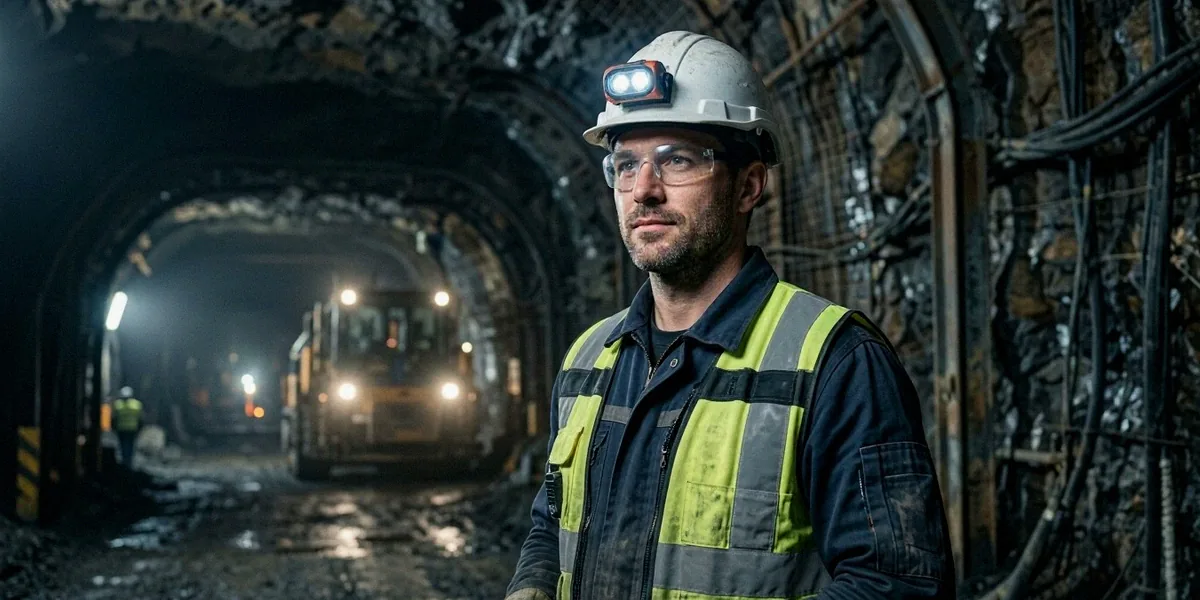
The first time we stepped off the cage at a Saskatchewan uranium mine, the safety officer handed us a personal dosimeter before we’d even put on a hard hat. She checked it, logged the reading, and clipped it to our collar. “You wear this everywhere underground,” she said. “If you leave it in the dry, it doesn’t count.” That small plastic badge — and the seriousness with which everyone treated it — stayed with us. Standing in the drift, watching crews move through a ventilation curtain with the easy discipline of people who’ve done this a thousand times, one question kept circling: how do we keep workers safe in one of Canada’s most regulated industries? The short answer is layered protection, strict limits, and a culture that treats every millisievert as something worth accounting for.
The Reality of Radiation in Uranium Mining
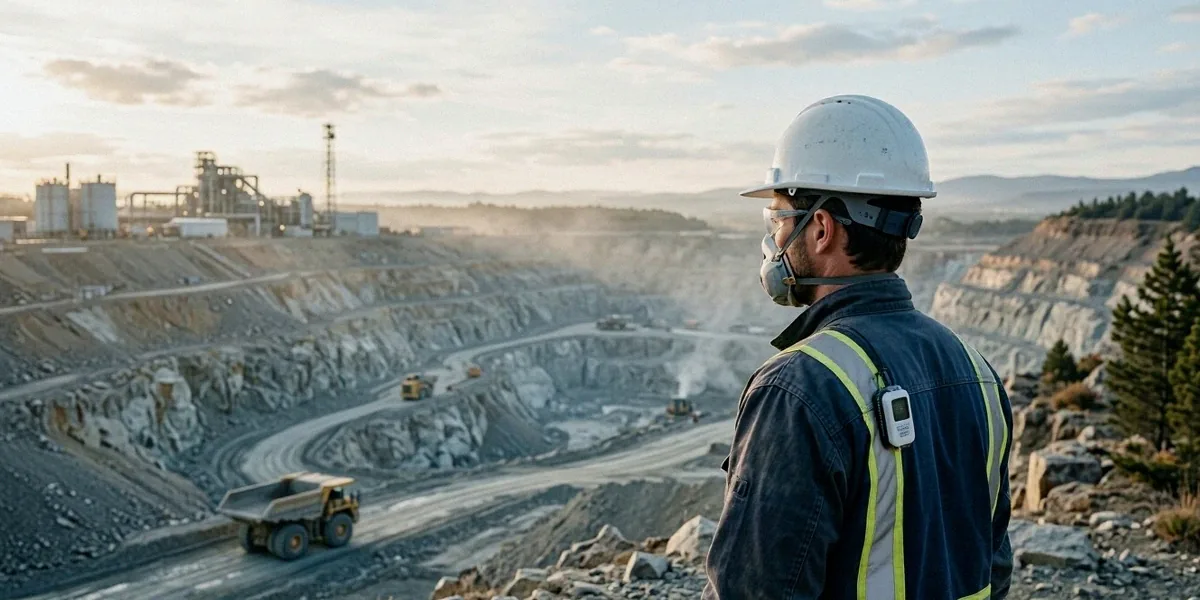
Uranium mining does expose workers to radiation, but the hazard profile is narrower than most people assume. The main concern isn’t the uranium ore itself sitting in a rock face — it’s what the ore gives off. Radon gas and ore dust are the two primary pathways of exposure, with gamma radiation from high-grade ore adding a third consideration in certain workings. Modern safety measures keep all three well below regulatory limits, but the controls have to be rigorous because the ore is so rich.
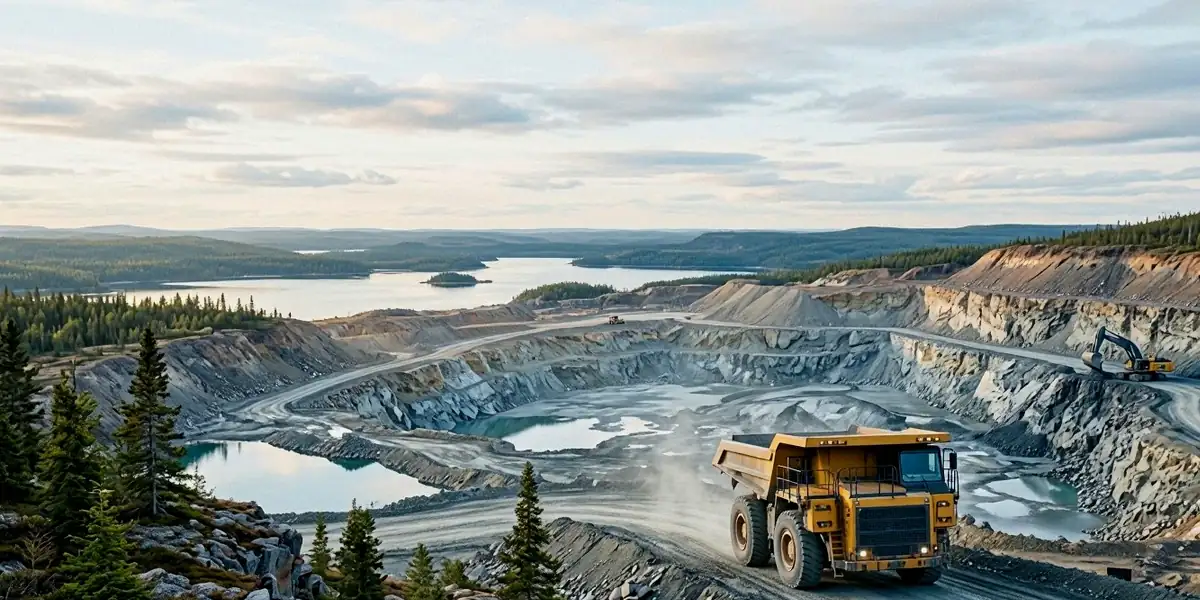
The Athabasca Basin in northern Saskatchewan contains the world’s highest-grade uranium deposits, with some ore bodies running more than 100 times the global average grade. High grade means more radon per tonne of rock, which means ventilation, dust suppression, and monitoring have to be engineered to a standard you won’t find in most other mining jurisdictions.
Radon Gas: The Invisible Hazard
Radon gas is the primary radiation hazard in uranium mines, controlled through ventilation. It’s a colourless, odourless gas produced when radium decays, and it accumulates in stopes, ramps, and dead-end headings if air isn’t moving. Underground crews never see it, so the entire control strategy depends on moving enough fresh air through the workings to dilute radon and its decay products below action levels, and on continuous monitoring to confirm the ventilation is doing its job.
Dust and Gamma Radiation: What Workers Face
Ore dust carries radioactive particles that can be inhaled if drilling, blasting, or mucking isn’t properly controlled. Water sprays, enclosed cabs, and filtration systems keep dust down at the source. Gamma radiation, meanwhile, is a direct exposure concern in high-grade zones — the kind of ore that makes the Athabasca Basin famous. Workers in those areas limit time near freshly blasted high-grade material and rely on shielding, distance, and rotation to keep doses low.
Regulations and Oversight: Who Keeps Workers Safe?
Uranium mining in Canada operates under one of the tightest regulatory regimes in the world. The Canadian Nuclear Safety Commission (CNSC) is the federal regulator, licensing every stage from exploration to decommissioning. Provincial bodies, including Saskatchewan’s Ministry of Environment, add another layer of oversight on environmental protection and workplace conditions. Between them, mines face scheduled inspections, unannounced audits, and continuous reporting requirements.
CNSC Dose Limits and ALARA Principle
The CNSC sets a annual dose limit of 50 mSv for nuclear energy workers, compared with 1 mSv for members of the public. That 50 mSv figure is a legal ceiling, not a target. The industry operates under the ALARA principle — As Low As Reasonably Achievable — which means companies are expected to drive doses down even when they’re already compliant. In practice, most workers at modern Saskatchewan mines receive a small fraction of the limit.
Provincial and Federal Collaboration
Federal and provincial regulators don’t work in silos. Environmental monitoring data, workplace inspection findings, and incident reports flow between agencies, and licence conditions often require companies to meet both federal and provincial standards simultaneously. For northern operations, this collaboration extends to community representatives who sit on environmental monitoring committees and review results directly.
Safety Technologies and Practices in Modern Mines
Walk through Cigar Lake or McArthur River — two major uranium mines in northern Saskatchewan — and the safety infrastructure is impossible to miss. Both operations rely on technologies that would have been unimaginable in the industry’s early decades, and those tools are now standard across the region.
Ventilation and Dust Suppression
Ventilation is the backbone of radon control. Primary fans push fresh air down the shaft and through a network of raises and drifts, while secondary fans keep air moving through working faces. Water sprays at drills and muckers knock down dust before it becomes airborne, and enclosed operator cabs with filtered air add another barrier. At high-grade operations like Cigar Lake, remote and semi-automated mining methods also reduce the time workers spend in the highest-exposure zones.
Personal Protective Equipment and Monitoring
Every underground worker carries a personal dosimeter to track cumulative dose, and many wear additional real-time monitors in high-grade areas. Respirators, coveralls, and boot washes reduce the risk of inhaling or carrying contamination. The monitoring doesn’t stop at the shaft collar either — bioassays and exit surveys confirm that what workers carry home is nothing but their lunchbox. Key tools include:
- Personal dosimeters for cumulative dose tracking
- Continuous radon and gamma monitors in active workings
- Respirators and dust masks rated for radioactive particulates
- Ventilation-on-demand systems tied to real-time gas readings
- Remote-controlled equipment for high-grade extraction zones
Training and Community Engagement in Northern Saskatchewan
A dosimeter only protects a worker who understands what it’s telling them. That’s why training is woven into every stage of employment at northern mines — and why it’s delivered in partnership with the communities those workers come from. Many employees at Saskatchewan uranium operations are from local Indigenous communities, and Impact Benefit Agreements ensure northern communities benefit from mining and participate in safety training. Those agreements aren’t just about royalties; they cover hiring commitments, training programs, and direct involvement in environmental and safety oversight.
Indigenous-Led Safety Initiatives
Several northern operations now run safety committees and monitoring programs with Indigenous participation built in. Community members sit on environmental monitoring committees, review air and water sampling data, and help shape how safety information is communicated. Culturally appropriate training — delivered in local languages where needed, and scheduled around traditional land use — has become a baseline expectation rather than an afterthought.
Continuous Education and Drills
Safety training doesn’t end after orientation. Crews run regular emergency response drills, refresher courses on radon awareness, and hands-on sessions with new monitoring equipment. Supervisors track competency records, and workers are encouraged to stop the job if conditions change. That last point matters most: a safety culture only works when the newest worker on the crew feels empowered to speak up.
Health Outcomes and Ongoing Research
The historical record of uranium mining includes well-documented harms from the mid-20th century, when ventilation was poor and exposure limits were far looser. Modern miners work under dramatically different conditions, and the research reflects that shift.
What Studies Say About Miner Health
Studies from the Saskatchewan Cancer Agency and the University of Saskatchewan have tracked health outcomes among northern miners and found that modern uranium workers show radiation exposure levels far below those of previous generations. Ongoing cohort research continues to examine long-term health indicators, with the goal of confirming that today’s controls translate into durable health protection over a full career and into retirement.
The Role of Epidemiological Monitoring
Epidemiological monitoring is how the industry checks its own assumptions. Researchers link dose records, employment histories, and health data to look for patterns that individual workplace monitoring might miss. It’s slow, unglamorous work — and it’s exactly what makes credible safety claims possible.
FAQ
How much radiation does a typical uranium miner in Saskatchewan receive?
Most workers at modern Saskatchewan mines receive a small fraction of the CNSC’s 50 mSv annual limit for nuclear energy workers. Exact doses vary by role and location, but continuous monitoring and the ALARA principle keep exposures far below the regulatory ceiling.
What is the biggest radiation risk underground?
Radon gas is the primary radiation hazard in uranium mines, controlled through ventilation. Ore dust and gamma radiation from high-grade material are secondary concerns, managed through dust suppression, shielding, distance, and time limits.
Who regulates uranium mine safety in Canada?
The Canadian Nuclear Safety Commission (CNSC) is the federal regulator, setting dose limits and conducting inspections. Saskatchewan’s Ministry of Environment adds provincial oversight, and the two work together on licensing, monitoring, and enforcement.
How do northern communities participate in mine safety?
Through Impact Benefit Agreements, northern communities — including many Indigenous communities — secure hiring commitments, training programs, and seats on environmental monitoring committees. Community members review sampling data and help shape how safety information reaches workers and families.
Are there long-term health studies on uranium miners?
Yes. The Saskatchewan Cancer Agency and the University of Saskatchewan have conducted research on miner health outcomes, and epidemiological monitoring continues to track dose records against long-term health data.
Radiation safety in Canada’s uranium industry is a shared responsibility — regulators, companies, workers, and northern communities all hold a piece of it. The Athabasca Basin’s high-grade deposits demand serious controls, and the systems in place at operations like Cigar Lake and McArthur River have made Saskatchewan a global reference point for protecting the people who power Canada’s nuclear energy sector.

Post Comment