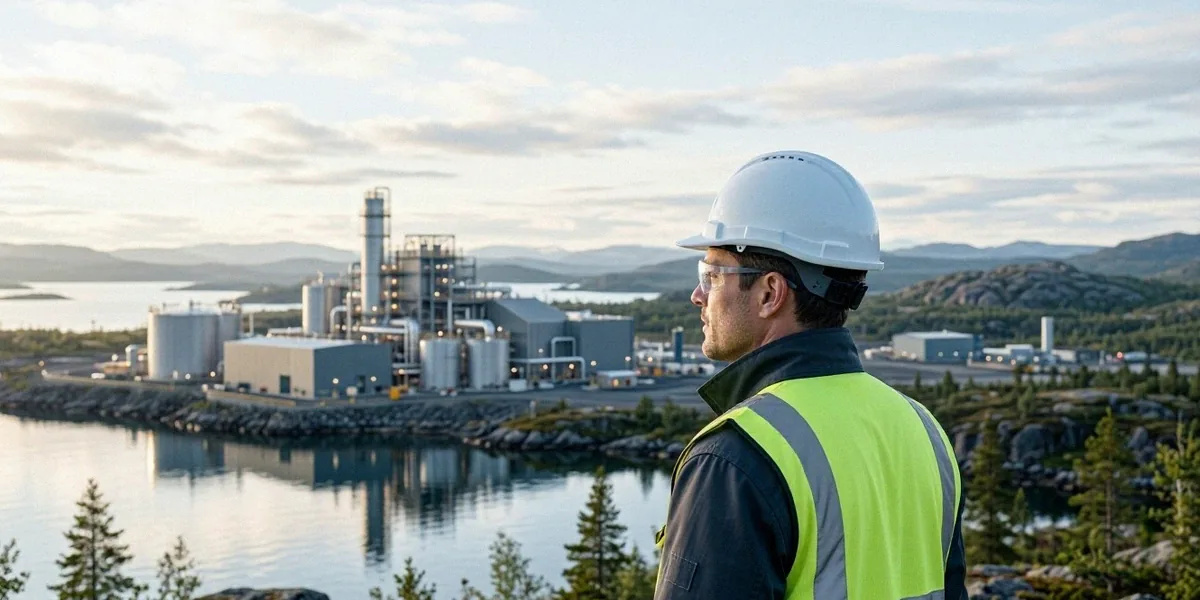
Careers in Canada’s Uranium Industry: A Guide to Jobs and Opportunities
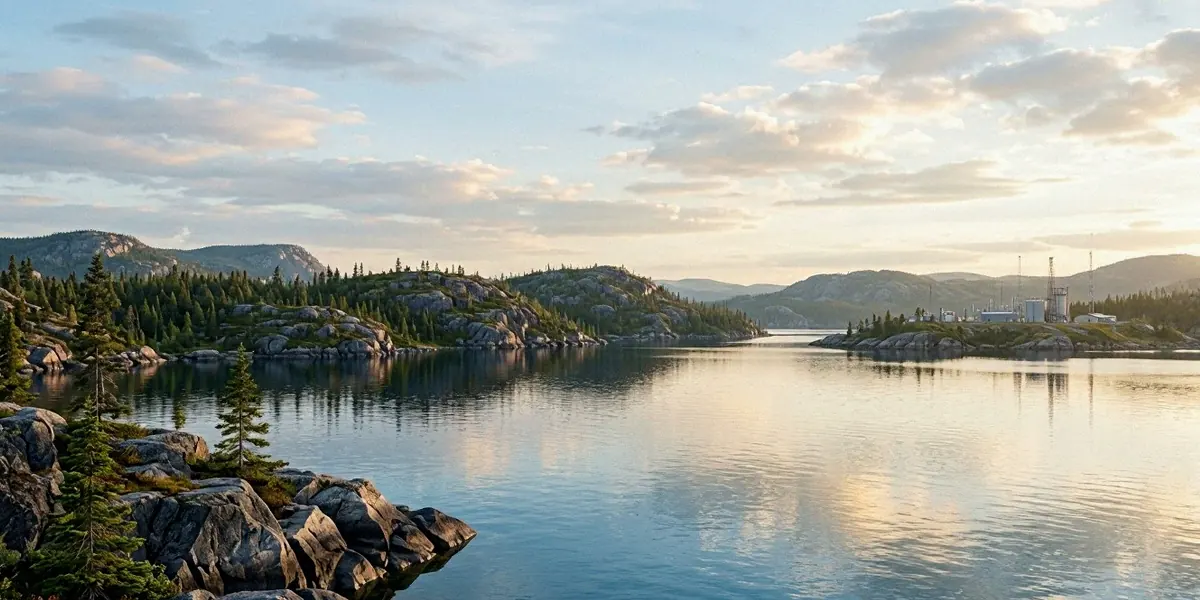
Here’s something that might surprise you: while most of us were busy debating the merits of nuclear power, a single region in northern Saskatchewan quietly became one of the most important sources of clean energy fuel on the planet. Every year, the uranium pulled from the Athabasca Basin helps power reactors in Ontario, Europe, and Asia — and it also powers paycheques, apprenticeships, and new businesses across communities that many Canadians have never visited. If you’ve been wondering where stable, well-paid work in the energy transition actually exists, we think you’ll want to keep reading. Canada’s uranium industry is hiring, training, and growing, and the career paths are broader than most people realize.
Why Canada’s Uranium Industry Is a Career Hotspot
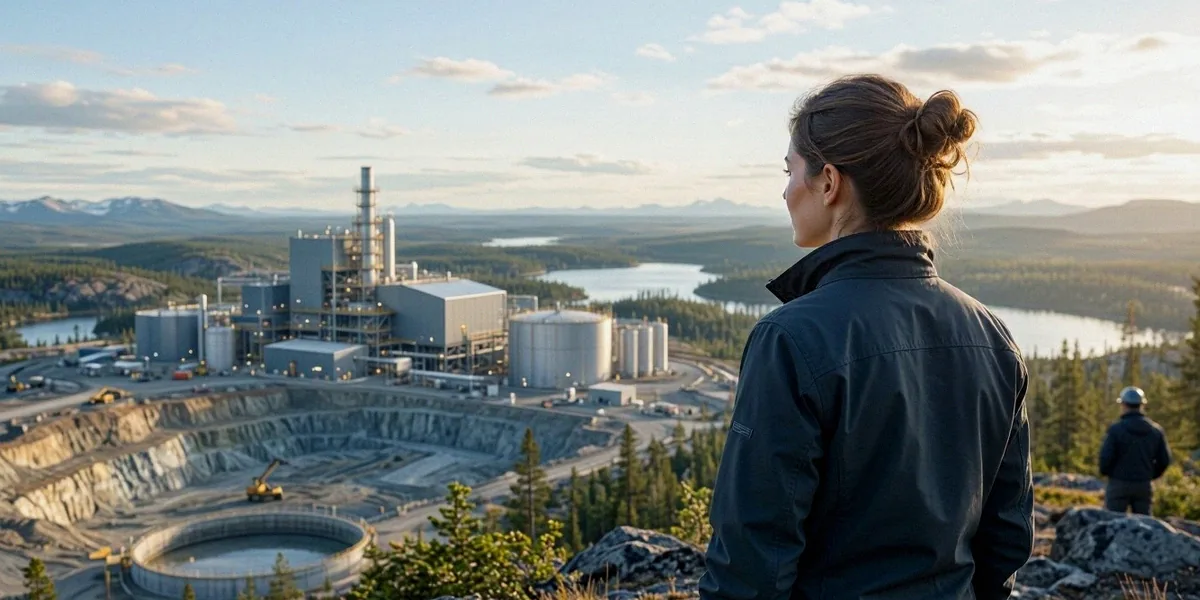
Canada has been a top-tier uranium producer for decades, and that position isn’t slipping. Saskatchewan’s Athabasca Basin produces about 20% of the world’s uranium — a remarkable figure for a region with a population smaller than many Canadian suburbs. The grade of the ore found there is exceptional: Cameco’s Cigar Lake mine is the world’s highest-grade uranium mine, meaning a relatively small operation produces a staggering amount of energy feedstock.
Major players like Cameco and Orano Canada anchor the sector in Saskatchewan, while Ontario’s nuclear fleet keeps demand strong. For job seekers, this means careers in geology, mining engineering, milling, radiation safety, trades, and corporate roles — all tied to a single supply chain.
Global demand for nuclear energy and uranium
Countries that once planned to phase out nuclear power are rethinking those plans. Energy security concerns, decarbonization targets, and rising electricity demand from data centres and electrified transport have pushed nuclear back onto the agenda in Europe, Asia, and North America. All of that translates into sustained demand for uranium — and for the people who find, extract, and process it.
Canada’s role in the nuclear fuel cycle
Canada occupies a rare position: we don’t just mine uranium, we handle multiple stages of the nuclear fuel cycle. Ore is mined and milled in Saskatchewan, converted and fabricated through Ontario facilities, and used in Canadian-designed CANDU reactors that generate roughly 15% of the country’s electricity. Few nations have that kind of vertical integration.
Job growth projections in the sector
The industry faces a demographic challenge familiar to many resource sectors: an aging workforce approaching retirement. That’s good news for incoming workers. Uranium mining and nuclear power companies are actively recruiting engineers, technicians, mill operators, and environmental specialists to replace retiring staff and support expansions.
Core Career Paths in Uranium Mining and Processing
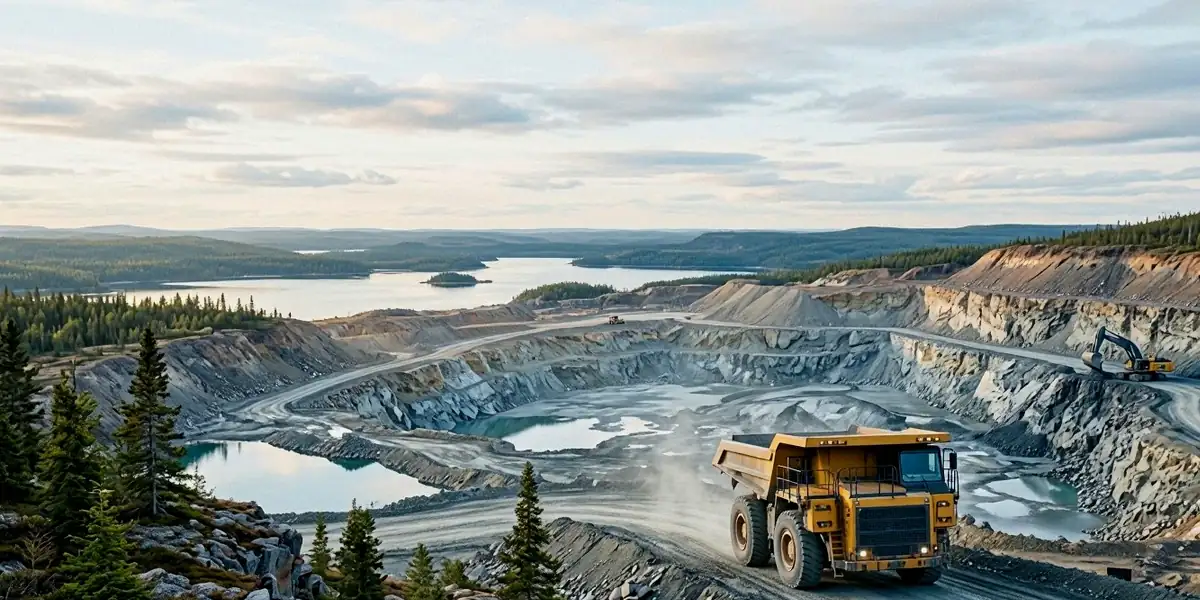
When people picture uranium mining, they often imagine something out of a 1960s film reel. The reality at modern operations like Cigar Lake and McArthur River looks far more like a high-tech industrial facility — remotely operated equipment, digital monitoring, and rigorous safety protocols at every step.
Mining and extraction jobs
These are the roles that get ore out of the ground, and they span a wide skill range:
- Underground miners and raise bore operators
- Mining engineers and geologists
- Survey technicians and drill operators
- Heavy equipment operators and maintenance crews
At Cigar Lake, much of the extraction happens using jet boring, a remote-controlled method that limits worker exposure and increases efficiency. That means operators with technical aptitude are increasingly in demand.
Processing and milling careers
Once ore is mined, it goes to a mill. Orano Canada operates the McClean Lake mill in northern Saskatchewan, one of the most advanced uranium processing facilities in the world. Careers here include process operators, chemical technologists, instrumentation technicians, and mill maintenance staff. These roles are shift-based and typically well-compensated, with strong benefit packages.
Health, safety, and environmental roles
Safety isn’t just a slogan in this industry — it’s a regulatory requirement and a cultural norm. Radiation safety officers, industrial hygienists, environmental monitors, and occupational health nurses all play critical roles at mine and mill sites. If you have a science background and care about worker protection, this is a growing niche.
Nuclear Energy Careers Beyond the Mine
Not every uranium career involves a hard hat underground. Ontario’s nuclear sector employs thousands of people in roles that range from reactor operations to policy development.
Power plant operations and maintenance
Bruce Power in Ontario is one of the largest nuclear power stations globally, and it employs a small city’s worth of workers — operators, electricians, millwrights, engineers, and radiation protection technicians. Ontario Power Generation runs the Darlington and Pickering stations, with Darlington now hosting the first grid-scale SMR project in the G7. These facilities offer long-term, pensionable careers.
Nuclear research and engineering
Research organizations, universities, and national laboratories employ nuclear engineers, physicists, materials scientists, and data analysts. Work ranges from reactor design and fuel cycle research to medical isotope production — a field where Canada has historically led.
Regulatory and policy positions
The Canadian Nuclear Safety Commission (CNSC) regulates all nuclear facilities and materials in Canada. Careers there include safety analysts, licensing specialists, inspectors, and policy advisors. If you’re interested in the intersection of science and public accountability, this is worth exploring.
Working in Northern Communities: Opportunities and Impact
Uranium mining has transformed parts of northern Saskatchewan in ways that go beyond employment numbers. Communities like Wollaston Lake and La Ronge have become hubs for training, business development, and Indigenous partnerships that shape how the industry operates.
Indigenous-led businesses and joint ventures
Many northern communities hold equity stakes in mining operations or operate service companies that contract to Cameco and Orano. These arrangements mean that uranium revenue circulates locally — supporting schools, infrastructure, and small businesses. We’ve seen firsthand how these partnerships create career ladders that didn’t exist a generation ago.
Training and apprenticeship programs
Companies and community organizations offer pre-employment training, apprenticeships, and mentorship programs specifically for northern and Indigenous residents. These include underground mining courses, heavy equipment operator training, and environmental monitoring certificates. Many are funded jointly by industry and government.
Fly-in fly-out vs. local hiring
Some operations rely on fly-in fly-out schedules, where workers commute from southern cities on rotation. Others prioritize local hiring from nearby communities. Each model has trade-offs — fly-in work pays well but disrupts family life, while local hiring keeps workers closer to home but may limit the talent pool for specialized roles. Many companies now blend both approaches.
Skills, Education, and Getting Your Foot in the Door
You don’t need a PhD to start a uranium career — but you do need a plan. Here’s how we’d map the most common pathways.
Trade and technical training
Certifications in welding, electrical work, millwrighting, and heavy equipment operation are direct routes into mining and milling. Saskatchewan polytechnics and northern training centres offer programs tailored to industry needs.
University and college programs
Geology, mining engineering, chemical engineering, and nuclear engineering degrees open doors to technical and professional roles. Several Canadian universities have co-op programs that place students directly with companies like Cameco and Orano.
Networking and entry-level roles
Internships, summer student positions, and entry-level technician roles are the most common on-ramps. Attending industry conferences, joining professional associations, and connecting with recruitment teams at career fairs can make a real difference.
The Future of Uranium Jobs: Trends to Watch
The sector is changing fast, and the jobs of 2035 will look different from the jobs of today.
Small modular reactors and new job types
Canada’s Small Modular Reactor Action Plan aims to deploy SMRs by the 2030s. That means new demand for reactor designers, licensing specialists, and operators trained on novel technologies. SMRs could also bring nuclear jobs to provinces that have never hosted reactors.
Automation and remote operations
Mines in the Athabasca Basin are already using remote-controlled equipment and digital twins to improve safety and efficiency. Automation is creating roles in robotics, data analytics, and control systems — skills that blend traditional mining knowledge with modern tech.
Sustainability and ESG roles
Environmental, social, and governance (ESG) reporting is now a core function at every major uranium company. Careers in sustainability analysis, community relations, and environmental remediation are expanding as companies work to demonstrate responsible practices.
FAQ
Do I need previous mining experience to get hired?
Not necessarily. Many entry-level roles provide on-the-job training, and companies actively recruit from northern communities and trade programs. What matters most is reliability, safety awareness, and a willingness to learn.
Are uranium mining jobs safe?
Modern uranium mining in Canada is among the most regulated industrial activities in the country. Strict radiation limits, ventilation systems, remote equipment, and continuous monitoring keep exposure far below regulatory thresholds.
What’s the typical salary range in this industry?
Compensation varies by role and location, but uranium mining and nuclear power jobs generally pay above the national median, often with benefits, pensions, and rotation bonuses. Engineers and specialized technicians earn on the higher end.
Can I work in the industry without relocating to Saskatchewan?
Yes. Ontario’s nuclear sector employs thousands in operations, engineering, and regulation. Some roles also support remote monitoring and digital operations, though site-based work still dominates.
How do I find out about job openings?
Check company career pages for Cameco, Orano Canada, Bruce Power, and Ontario Power Generation. Northern training organizations and Indigenous employment offices also post opportunities regularly.
Canada’s uranium industry offers something increasingly rare: stable, meaningful work tied to the country’s clean energy future. From underground operations in the Athabasca Basin to reactor control rooms in Ontario, these careers combine technical challenge with real community impact. Whether you’re just starting out or looking to pivot, we’d encourage you to explore what’s available in your region — the opportunities are closer than you might think.

Post Comment