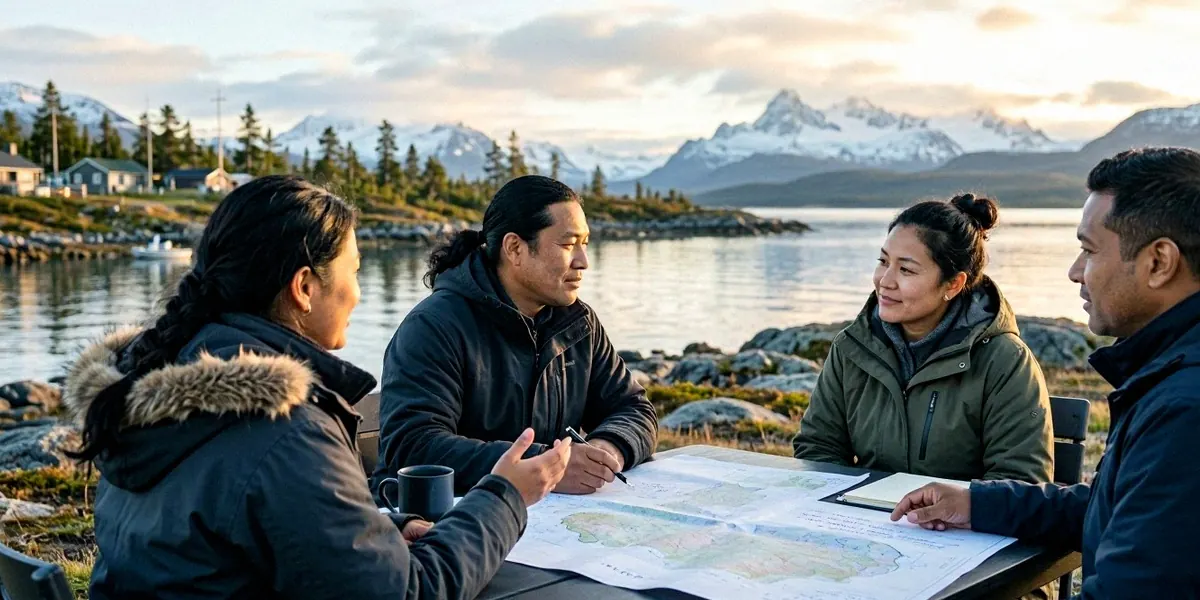
Involving Northern Communities in Project Development
It’s a fact that often gets lost in the broader conversation about nuclear energy: almost all of Canada’s uranium is mined on or near Indigenous lands in northern Saskatchewan. For our team, that reality isn’t a footnote—it’s the starting point. Community involvement in uranium mining isn’t a regulatory box to tick or a public relations exercise. It’s essential to whether a project succeeds, and more importantly, to whether it’s done right. In this post, we’ll walk through how northern communities shape uranium development in Canada, what the legal and economic frameworks look like, and where the real challenges remain.
Why Northern Communities Are Central to Uranium Mining
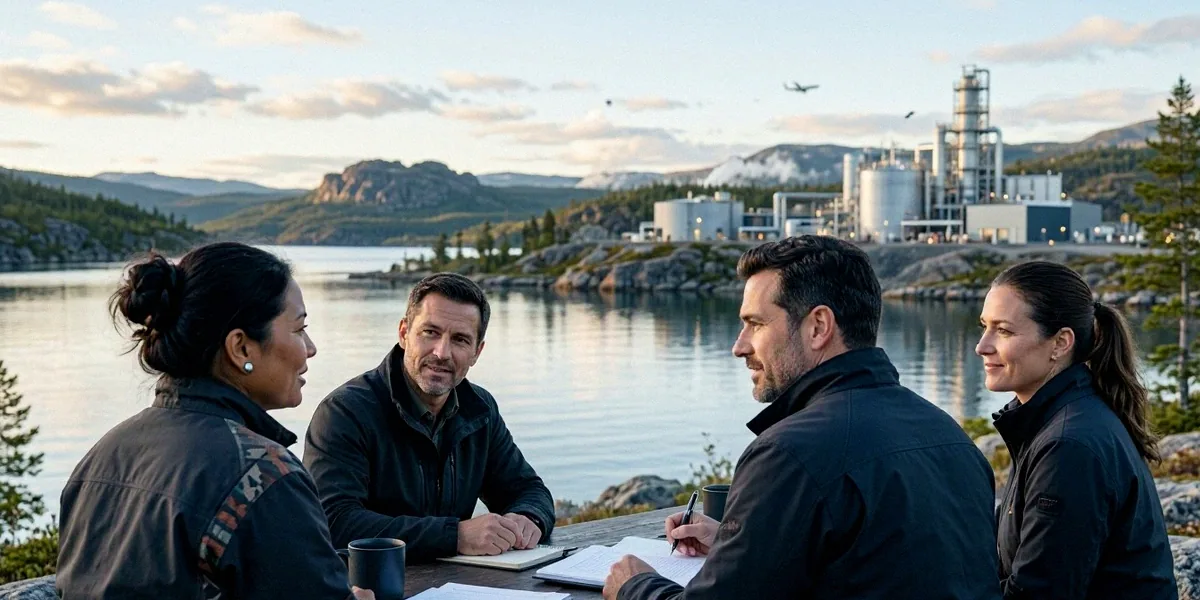
Canada is one of the world’s largest uranium producers, and the vast majority of that uranium comes from a single region: the Athabasca Basin in northern Saskatchewan. This area is also home to Dene and Cree communities who have lived on and cared for these lands for generations. Major operations like Cigar Lake and McArthur River sit in close proximity to these communities, which means any conversation about uranium mining in Canada has to start with the people who live there.
The Athabasca Basin: Canada’s Uranium Heartland
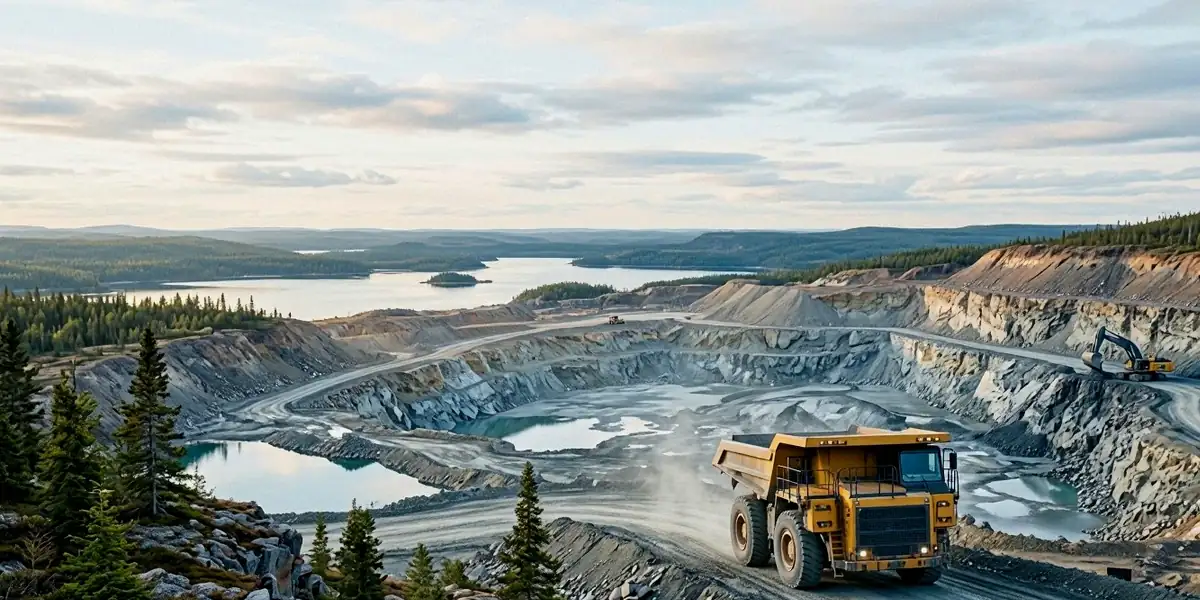
The Athabasca Basin holds some of the highest-grade uranium deposits on the planet. Mines like Cigar Lake, operated by Cameco, and McArthur River produce a significant share of global uranium supply. These aren’t remote, abstract projects—they’re neighbours to communities like Wollaston Lake, Black Lake, and Fond du Lac. The workforce, the supply chains, and the environmental footprint all intersect directly with northern life.
Indigenous Rights and Treaty Land Entitlement
Many northern communities are signatories to Treaties 8 and 10, and several have unresolved Treaty Land Entitlement claims. These aren’t historical artifacts—they’re active legal realities that shape how resource development unfolds. When a uranium project is proposed, it enters a landscape already defined by treaty rights, land claims, and decades of relationship-building (or lack thereof). Understanding this context is the first step toward meaningful engagement.
The Duty to Consult and Accommodate in Practice
Under Section 35 of the Constitution Act, 1982, the Crown has a legal duty to consult and accommodate Indigenous peoples when its actions might affect Aboriginal or treaty rights. In practice, this duty is often delegated to project proponents—companies like Cameco and Orano Canada—who must demonstrate genuine consultation as part of the licensing process with the Canadian Nuclear Safety Commission (CNSC).
What Consultation Really Means
Consultation isn’t a single meeting or a checkbox on an application form. It’s an ongoing process that should include:
- Early and transparent sharing of project plans and potential impacts
- Meaningful opportunities for communities to shape project design and mitigation measures
- Funding to support community participation, including technical and legal advisors
- Documentation of concerns and clear responses to those concerns
- Flexibility to adjust plans based on community feedback
The CNSC’s licensing process requires evidence of this consultation, and communities have increasingly used their participation in hearings to push for stronger environmental protections and economic benefits.
Case Study: The Ya’thi Néné Agreement
The Ya’thi Néné Lands and Resources Office represents the Athabasca Denesułiné First Nations—Hatchet Lake, Black Lake, and Fond du Lac—in their dealings with uranium developers. Their agreement with Cameco and Orano Canada is one of the most cited examples of a comprehensive impact benefit agreement in the sector. It includes provisions for environmental monitoring, cultural protection, and financial compensation, and it established a formal structure for ongoing dialogue between the communities and the companies. It’s not perfect, and it didn’t happen overnight, but it demonstrates what’s possible when consultation is treated as a relationship rather than a transaction.
Economic Partnerships That Go Beyond Jobs
Employment is often the first thing people think of when they hear “economic benefits,” but the most durable partnerships in northern Saskatchewan go much further. Cameco and Orano Canada have both developed equity ownership arrangements, training programs, and local procurement strategies that keep more value in the region.
Equity Ownership and Revenue Sharing
Several northern communities hold ownership stakes in uranium operations. For example, the Pinehouse Business Corporation has invested in mining-related ventures, and other communities have negotiated revenue-sharing agreements that provide stable funding for local priorities like housing, education, and health services. These arrangements mean that when the mine does well, the community does well—aligning interests in a way that short-term job contracts simply can’t.
Training and Employment Initiatives
Mining companies have invested in training programs tailored to northern residents, including heavy equipment operation, underground mining techniques, and environmental monitoring. Many of these programs are delivered in partnership with local colleges and First Nations employment offices. The result is a workforce that’s not just local but skilled and upwardly mobile. The Northern Saskatchewan Economic Development Strategy has helped coordinate some of these efforts, though there’s always more work to do on making sure training translates into long-term careers.
Environmental Stewardship and Community Monitoring
Environmental protection is one of the most sensitive areas in uranium development, and for good reason. Northern communities depend on the land, water, and wildlife for food, culture, and livelihood. That’s why community-based monitoring programs have become a cornerstone of responsible uranium mining in the Athabasca Basin.
Community-Based Monitoring Programs
The Athabasca Working Group and the Joint Environmental Monitoring Program are two examples of how communities participate directly in tracking the impacts of mining operations. These programs train local residents to collect water and soil samples, monitor fish and wildlife health, and report observations. The data collected feeds into regulatory oversight and provides communities with independent information they can trust. The Saskatchewan Environmental Society and other independent organizations have also played a role in pushing for transparency and rigour in these efforts.
Addressing Concerns About Water and Wildlife
Concerns about water quality and wildlife contamination are legitimate and persistent. Uranium mining involves managing radioactive materials, and any release into the environment is a serious matter. Community monitoring programs help address these concerns by providing real data—not just assurances from companies or regulators. When issues are identified, they can be addressed quickly and transparently. That’s the theory, anyway. In practice, it requires sustained funding, technical support, and a genuine willingness to act on what the monitoring finds.
Challenges and Opportunities for Meaningful Involvement
We’d be kidding ourselves if we said everything works smoothly. There are real barriers to meaningful involvement, and acknowledging them is part of doing this work honestly.
Building Trust After Decades of Distrust
Historical mistrust runs deep. Uranium mining in northern Saskatchewan has a complicated legacy, including past environmental incidents, broken promises, and a sense that communities were consulted only after decisions were already made. Language differences and capacity constraints—many communities have limited staff to review complex technical documents—add to the challenge. The Northern Inter-Tribal Health Authority has highlighted the need for health-focused assessments that consider cumulative impacts, not just individual projects.
But there are also opportunities. Technology has made remote participation easier. Funding programs exist to support community-led research and review. And there’s a growing recognition among companies and regulators that collaborative decision-making leads to better outcomes—fewer conflicts, smoother approvals, and more resilient projects.
The Role of FPIC in Future Projects
Free, prior, and informed consent (FPIC) is a standard enshrined in the United Nations Declaration on the Rights of Indigenous Peoples, and Canada has committed to implementing it through legislation like Bill C-15. In practice, FPIC means communities have the right to say yes or no to projects that affect them—and that consent must be given freely, without coercion, and with full information. For future uranium projects in the Athabasca Basin, FPIC isn’t just a legal obligation; it’s a test of whether the industry has actually learned from the past.
FAQ
What is the Athabasca Basin and why does it matter for uranium mining?
The Athabasca Basin is a region in northern Saskatchewan that contains some of the world’s highest-grade uranium deposits. It’s home to major mines like Cigar Lake and McArthur River, and it’s also home to Dene and Cree communities whose rights and interests are directly affected by mining activity.
Which companies are most active in northern Saskatchewan uranium mining?
Cameco and Orano Canada are the two primary operators in the region. Both have developed partnerships with northern communities, including impact benefit agreements, equity stakes, and training programs.
What is the Ya’thi Néné Lands and Resources Office?
The Ya’thi Néné Lands and Resources Office represents the Athabasca Denesułiné First Nations—Hatchet Lake, Black Lake, and Fond du Lac—in their negotiations and ongoing relationships with uranium developers. Their agreement with Cameco and Orano Canada is a leading example of a comprehensive impact benefit agreement.
How do communities participate in environmental monitoring?
Through programs like the Athabasca Working Group and the Joint Environmental Monitoring Program, local residents are trained to collect samples, monitor wildlife, and report findings. This data supports regulatory oversight and gives communities independent information about environmental conditions.
What does free, prior, and informed consent (FPIC) mean for uranium projects?
FPIC means Indigenous communities have the right to give or withhold consent for projects that affect their lands and rights. Consent must be given freely, before project approval, and with full access to information. It’s a standard Canada has committed to implementing through Bill C-15.
Involving northern communities in uranium development isn’t just about compliance—it’s about building projects that last, that earn trust, and that leave communities better off. Our team believes that when northern voices are heard and heeded, everyone benefits: the communities, the companies, and the country as a whole.



Post Comment