Mine Site Reclamation in the North: What Happens After Uranium Mining?
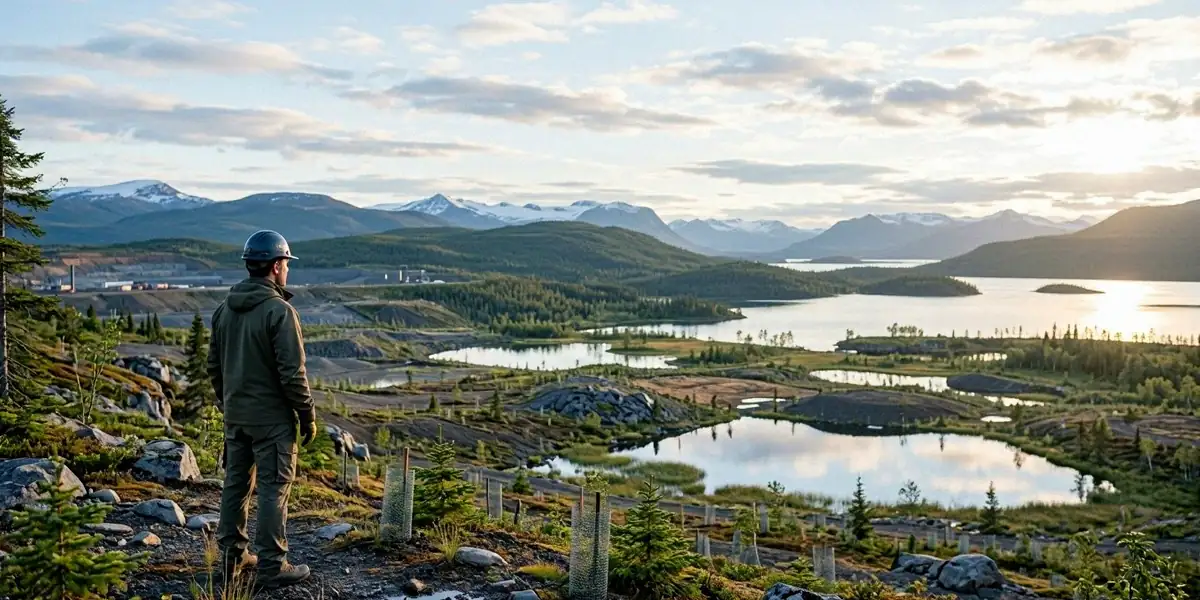
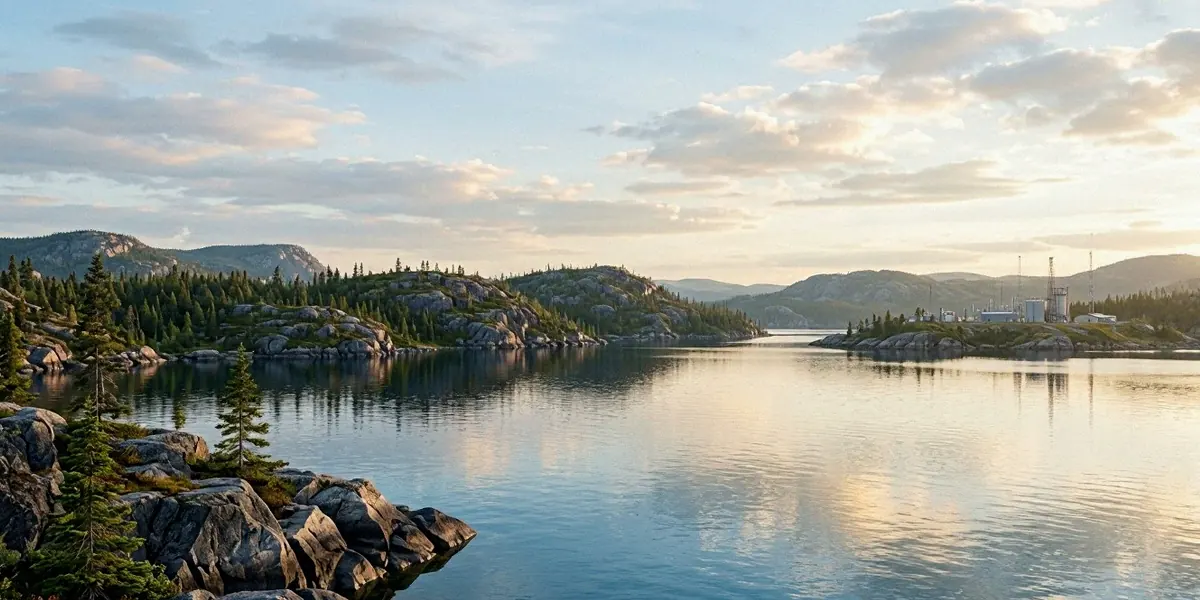
Stand on the edge of a former uranium mine site near Wollaston Lake in northern Saskatchewan and you might see something unexpected: a landscape that looks, at first glance, almost untouched. The headframe is gone. The mill has been dismantled. What remains is a graded hillside, a capped tailings facility, and a small team of environmental monitors sampling water quality. It’s a striking contrast to the industrial bustle that once defined this place. But reclamation is never truly “finished” in the North — it’s a decades-long commitment. So what does it actually mean to reclaim a uranium mine, and who decides when the job is done?
The Uranium Mining Legacy in Northern Saskatchewan
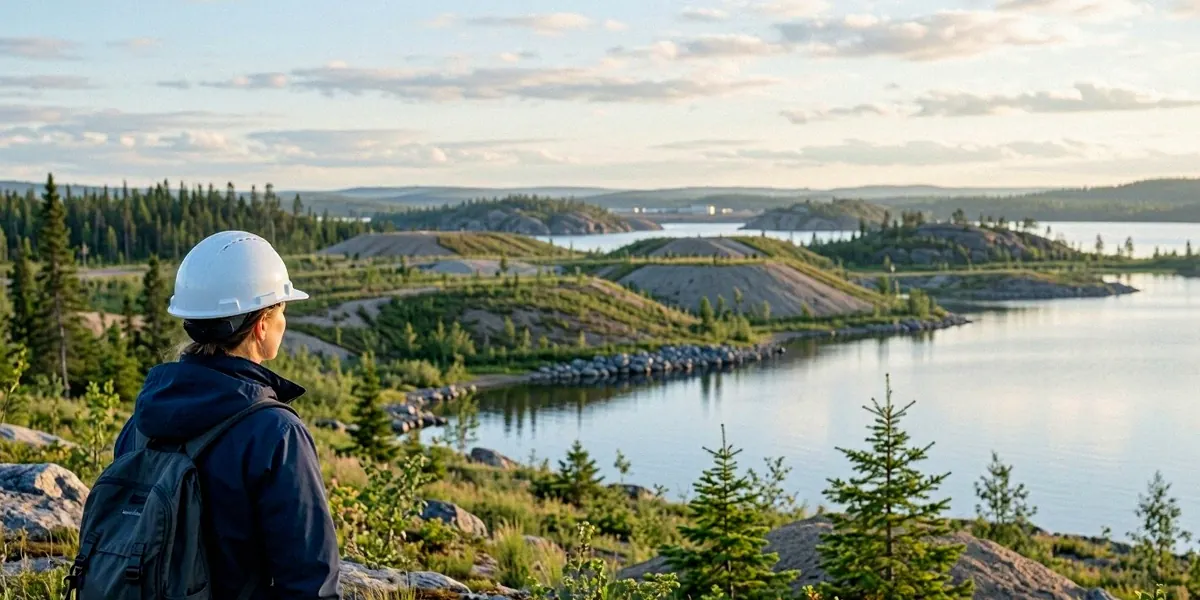
The Athabasca Basin in northern Saskatchewan is one of the world’s richest uranium deposits, and it has shaped the province’s economy and its northern communities for more than half a century. Our team has followed this industry closely, and the scale is hard to overstate: roughly one-fifth of global primary uranium production comes from this region. That production built roads, airports, and careers — and it also left behind a legacy of sites that must eventually be returned to a safe, stable state.
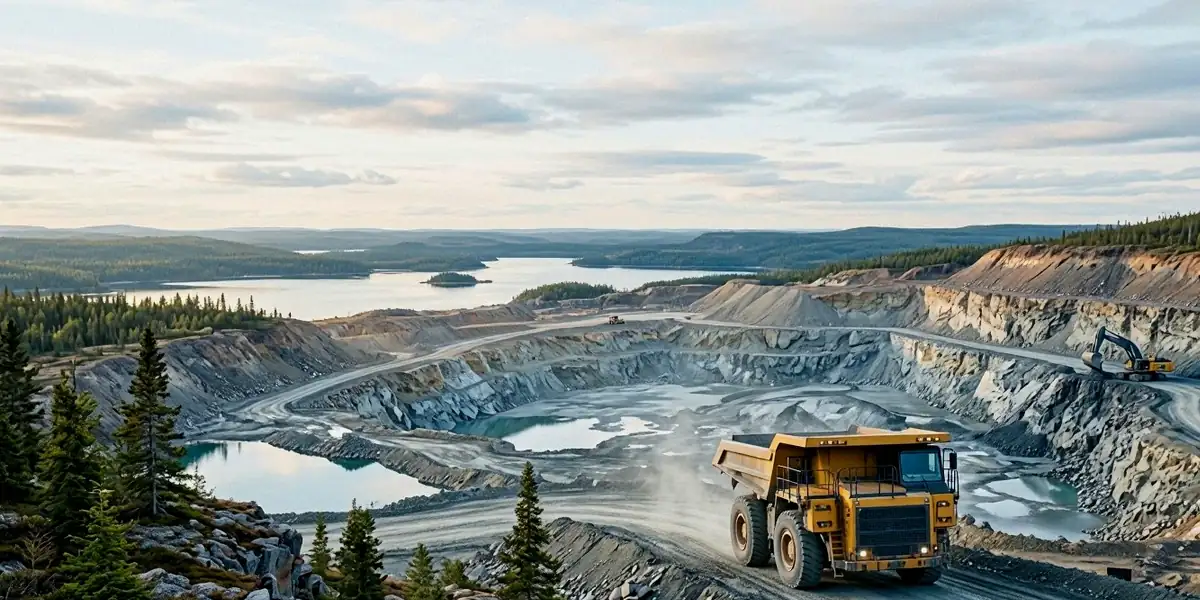
Three operations anchor the modern story. Cameco’s Rabbit Lake mine was the first uranium mine in Saskatchewan and operated for over 40 years, from 1975 until it was placed into care and maintenance in 2016. Cameco’s Cigar Lake, one of the highest-grade uranium deposits on Earth, began production in 2014 and continues to operate. Orano’s McClean Lake, meanwhile, has been processing ore from multiple deposits and is home to the JEB mill. Each of these sites has a defined lifespan, and each will one day face the same question: how do you close a mine responsibly in a region of lakes, muskeg, and permafrost-affected ground?
Key Uranium Mines and Their Lifespans
- Rabbit Lake (Cameco): Saskatchewan’s first uranium mine; operated for over 40 years before entering care and maintenance.
- Cigar Lake (Cameco): Among the world’s highest-grade uranium mines; in production since 2014.
- McClean Lake (Orano): Hosts the JEB milling facility and has processed ore from several satellite deposits.
- Uranium City area: A historic mining community in northern Saskatchewan that has undergone significant reclamation after the collapse of its mine-based economy.
Why Reclamation Matters in the North
Northern Saskatchewan isn’t like a southern industrial site. The land supports traplines, fishing lakes, and traditional harvesting that have sustained Indigenous communities for generations. Tailings and waste rock left unmanaged could leach contaminants into watersheds that feed the Churchill River system. That’s why reclamation here isn’t just a regulatory checkbox — it’s a question of whether the land can continue to support the people who live on it.
How Mine Site Reclamation Works in Practice
Reclamation is a staged process, and it starts long before the last truckload of ore leaves the site. Our team thinks of it as three overlapping phases: decommissioning, waste management, and long-term monitoring.
Decommissioning and Dismantling
Once a mine stops producing, buildings, mills, and infrastructure are dismantled or repurposed. At Rabbit Lake, for example, much of the surface infrastructure has been removed or placed in care and maintenance while Cameco evaluates final closure options. Underground workings are sealed, and openings are capped to prevent access and limit water inflow.
Tailings and Waste Rock Management
Tailings — the fine-grained residue left after uranium is extracted — are the biggest long-term concern. At Saskatchewan sites, tailings are typically deposited in engineered facilities and capped with layers of clay, sand, and rock to limit water infiltration and radon release. Waste rock, which can contain low concentrations of metals, is often placed back into mined-out pits or managed in dedicated piles designed to shed water and remain stable.
Water Treatment and Long-Term Monitoring
Water treatment is continuous. Contaminated water is collected, treated to remove radium, arsenic, and other constituents, and tested before release. Even after active treatment ends, monitoring wells and surface water stations are sampled for years — sometimes decades — to confirm that the site is behaving as predicted. The Canadian Nuclear Safety Commission (CNSC) regulates uranium mine reclamation in Canada, and licensees must demonstrate that their closure plans meet strict environmental and safety standards.
Regulatory Framework and Oversight
Reclamation in Canada is governed by a layered system of federal and provincial oversight. Understanding who does what helps explain why closure timelines can stretch across generations.
Federal and Provincial Roles
The CNSC holds the primary regulatory authority over uranium mining and milling, including decommissioning and long-term care. Provincial bodies, including Saskatchewan’s Ministry of Environment, issue permits related to water discharge, air quality, and land use. Together, these regulators review closure plans, conduct inspections, and require financial guarantees — known as financial assurance — so that taxpayers aren’t left paying for cleanup if a company walks away.
Indigenous Engagement and Consultation
For any major reclamation project in northern Saskatchewan, consultation with Indigenous communities is both a legal duty and a practical necessity. The duty to consult is grounded in Section 35 of the Constitution Act, 1982, and affirmed in the United Nations Declaration on the Rights of Indigenous Peoples (UNDRIP), which Canada endorsed in 2016. In practice, this means communities near Wollaston Lake, Uranium City, and the Athabasca Basin are involved in environmental review, monitoring programs, and decisions about end land use. Public hearings held by the CNSC provide another formal opportunity for northerners to weigh in.
Impacts on Northern Communities
Reclamation doesn’t happen in a vacuum. It affects jobs, local businesses, and the way people use the land — sometimes in ways that are hard to predict.
Economic and Social Considerations
Mining employment has been a lifeline for many northern communities. When a mine closes, reclamation work can provide a bridge: monitoring, water treatment, and site maintenance create skilled positions that often go to local and Indigenous workers. But those jobs are fewer and more temporary than production-phase employment. Uranium City is a cautionary example — after its mines closed in the early 1980s, the community’s population dropped from thousands to a few dozen, and reclamation of the surrounding area has continued for decades.
Community Voices and Traditional Knowledge
Communities around Wollaston Lake have pushed for a stronger voice in monitoring and closure planning, arguing that traditional knowledge — about fish migration, water flow, and seasonal land use — should carry equal weight with technical data. That perspective is increasingly reflected in environmental monitoring programs that pair scientific sampling with land-based observations from Elders and harvesters.
The Future of Reclamation and Nuclear Energy
Reclamation isn’t just about cleaning up the past. It’s also about earning the trust needed for the next chapter of nuclear energy in Canada.
Innovations in Reclamation Technology
New approaches are emerging, including improved cover designs that better withstand northern freeze-thaw cycles, remote sensing tools for monitoring large areas, and passive water treatment systems that use natural processes to reduce long-term energy costs. These technologies could make closure more effective and more affordable.
Balancing Nuclear Energy and Environmental Responsibility
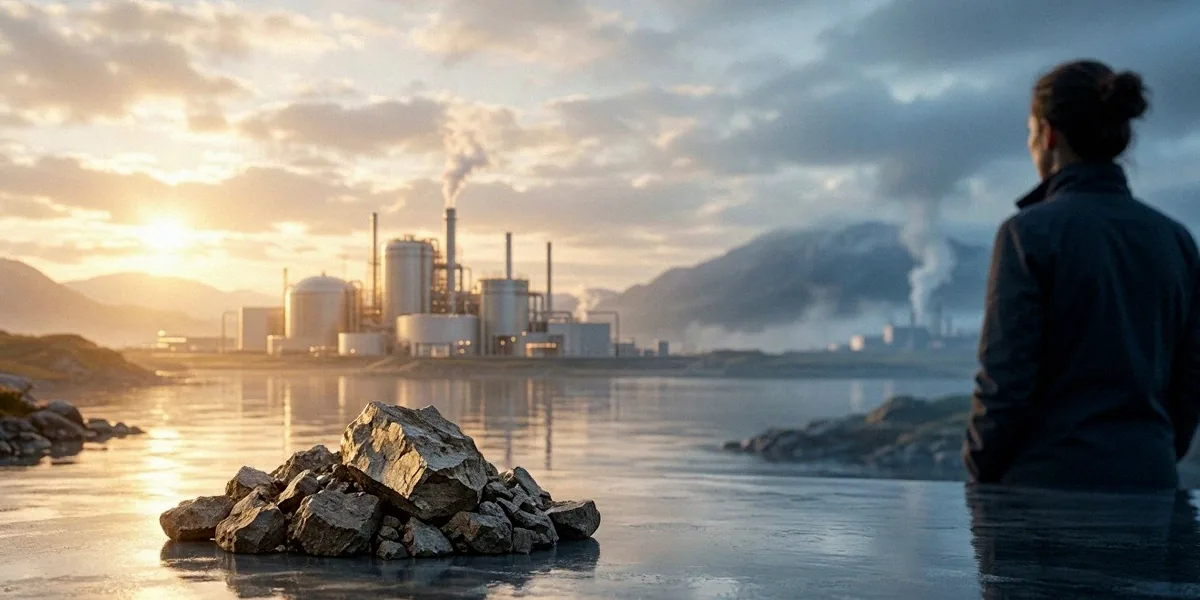
Small modular reactors (SMRs) are being explored in Canada as a future nuclear energy option, including proposals in Saskatchewan. If SMRs move forward, they’ll rely on a uranium supply chain that starts in the Athabasca Basin — which means the social license for nuclear energy depends in part on whether northerners trust that mines will be cleaned up properly. Reclamation is not a footnote to the nuclear conversation; it’s central to it.
FAQ
How long does uranium mine reclamation take?
Active decommissioning can take several years, but long-term monitoring and care often continue for decades. Some sites in northern Saskatchewan are expected to require monitoring for 50 years or more before regulators consider closure complete.
Who pays for mine reclamation in Canada?
Mining companies are required to post financial assurance — essentially a bond or guarantee — with regulators like the CNSC. If a company fails to complete reclamation, that money is used to fund the work, protecting taxpayers.
What happens to tailings after a uranium mine closes?
Tailings are typically stored in engineered facilities and capped with multiple layers of clay, sand, and rock to limit water infiltration and radon release. Water is collected and treated, and the facility is monitored for years afterward.
How are Indigenous communities involved in reclamation decisions?
Indigenous communities participate through consultation processes, environmental review, monitoring programs, and CNSC public hearings. Their traditional knowledge is increasingly incorporated into closure planning and long-term monitoring.
Is uranium mining in Saskatchewan still active?
Yes. Cigar Lake and McClean Lake remain in operation, and other deposits are in various stages of development or care and maintenance. Reclamation planning now runs alongside active production.
Responsible reclamation is the price of admission for nuclear energy in Canada. The Athabasca Basin’s uranium has powered reactors here and abroad, and the communities that host these mines — from Uranium City to Wollaston Lake — deserve a say in what happens when the mining ends. If we want nuclear energy, including emerging options like SMRs, to hold public trust, we need to show that we can close mines as carefully as we open them. That means transparent regulation, sustained funding, and northern voices at the centre of every decision about the land.

Post Comment